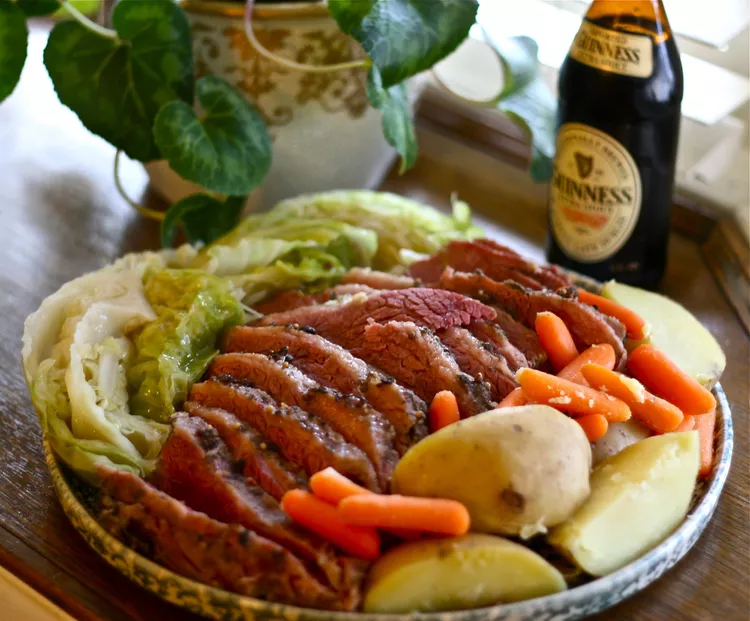
The Ultimate Traditional Corned Beef and Cabbage: A St. Patrick’s Day Masterclass
There is perhaps no dish more synonymous with St. Patrick’s Day in America than Corned Beef and Cabbage. While its origins are a fascinating blend of Irish history and Jewish-American deli culture, the dish has evolved into a beloved comfort food classic. When prepared correctly, the beef is buttery and tender, the vegetables are infused with savory brine, and the entire pot offers a soul-warming saltiness balanced by the natural sweetness of slow-cooked cabbage.
This recipe focuses on the low-and-slow simmering method, which is essential for breaking down the tough connective tissues in a beef brisket. Whether you are hosting a festive gathering or looking for a reliable Sunday roast, this guide provides the technical precision needed to ensure your brisket never turns out dry or rubbery.
The Essentials: Quality Ingredients
To achieve a restaurant-quality result, the quality of your brisket and the timing of your vegetables are paramount.
Main Components
-
4–5 lb Corned Beef Brisket: Look for “point cut” for more flavor and fat, or “flat cut” for leaner, uniform slices.
-
1 Spice Packet: Usually included with the meat (contains mustard seeds, coriander, peppercorns, and bay leaves).
-
1 tbsp Black Peppercorns: Extra for a deeper spice profile.
-
2 Bay Leaves: To enhance the aromatic base.
-
1 head Green Cabbage: Approximately 2–3 lbs, cut into thick wedges.
-
1.5 lbs Baby Potatoes: Red or Yukon Gold work best as they hold their shape.
-
4 Large Carrots: Peeled and cut into 2-inch chunks.
-
1 Large Yellow Onion: Peeled and quartered.
-
3 Garlic Cloves: Smashed.
-
12 oz Stout Beer (Optional): A bottle of Guinness adds a rich, malty depth to the braise.
-
Water: Enough to submerge the meat completely.
Step-by-Step Instructions
1. Preparation and Searing (Optional)
While many traditional recipes call for straight boiling, searing the brisket briefly in a large Dutch oven over medium-high heat can develop a deeper “fond” or flavor base. If you prefer a cleaner brine, skip the sear and place the brisket directly into a large heavy-bottomed pot.
2. The Initial Simmer
Place the brisket in the pot, fat-side up. Add the onion, garlic, bay leaves, peppercorns, and the contents of the spice packet. If using beer, pour it in now. Add enough cold water to cover the beef by at least two inches.
3. Low and Slow
Bring the liquid to a gentle boil, then immediately reduce the heat to a very low simmer. Cover the pot tightly.
Chef’s Note: Do not let the liquid reach a rolling boil for an extended period. High heat toughens the protein fibers. You want a “lazy bubble.”
Simmer for approximately 50–60 minutes per pound. For a 4 lb brisket, this usually takes about 3.5 to 4 hours.
4. Adding the Root Vegetables
About 30–40 minutes before the beef is finished (test it with a fork; it should be nearly tender), add the potatoes and carrots to the pot. Ensure they are submerged in the simmering liquid.
5. The Cabbage Finale
In the final 15–20 minutes of cooking, place the cabbage wedges on top of the meat and vegetables. Cover the pot again. The cabbage will partly simmer and partly steam, absorbing the salt and spice from the brine without becoming mushy.
6. The Rest and Slice
Once the beef is “fork-tender” (a fork slides in and out with zero resistance), remove it from the pot and place it on a cutting board. Rest the meat for 15 minutes tented with foil. This allows the juices to redistribute.
Crucial Step: Always slice the corned beef against the grain. Look for the direction of the muscle fibers and cut perpendicular to them to ensure maximum tenderness.
Expert Tips for Success
-
Rinse the Brisket: Before cooking, rinse the brisket under cold water to remove the excess surface brine. This prevents the final dish from being overly salty.
-
The “Fork Tender” Test: If you lift the meat and it feels heavy and bouncy, it needs more time. If it feels like it might fall apart, it’s perfect.
-
Vegetable Timing: Never add the cabbage at the beginning. It only needs about 15 minutes to reach the perfect “al dente” texture. Overcooked cabbage releases sulfurous odors that can ruin the aroma of the dish.
Ingredient Substitution Table
| Original Ingredient | Substitution | Result |
| Guinness Stout | Beef Broth or Apple Cider | Broth adds salt; Cider adds a fruity sweetness. |
| Green Cabbage | Savoy Cabbage | A more delicate texture and crinkled appearance. |
| Yellow Onion | Leeks | Provides a more sophisticated, mild onion flavor. |
| Baby Potatoes | Parsnips | Adds an earthy, sweet nutty note to the vegetable mix. |
Serving Suggestions
Corned beef and cabbage is a rustic, one-pot meal, but the right accompaniments elevate it significantly.
-
Mustard: Serve with a flight of mustards—grainy Dijon, English hot mustard, and a sweet honey mustard.
-
Horseradish Cream: Mix ½ cup sour cream with 2 tablespoons of prepared horseradish and a squeeze of lemon.
-
Bread: A thick slice of toasted Irish Soda Bread with salted butter is the traditional choice for mopping up the flavorful broth.
-
Leftovers: Save any remaining beef for Corned Beef Hash the next morning or a classic Reuben Sandwich with sauerkraut and Swiss cheese.
Storage & Make-Ahead Notes
Refrigeration
Store leftovers in an airtight container with a splash of the cooking liquid to keep the meat moist. It will stay fresh for up to 4 days.
Freezing
You can freeze cooked corned beef for up to 3 months. Wrap it tightly in plastic wrap and then foil. Note that the vegetables (especially potatoes) may change texture after freezing and are best enjoyed fresh.
Reheating
To prevent the beef from drying out, reheat slices in a skillet with a few tablespoons of the leftover brine or beef broth over medium-low heat until warmed through.
Nutrition Information (Per Serving)
Estimate based on 1/8th of a 4 lb brisket and proportional vegetables.
-
Calories: 540 kcal
-
Protein: 32g
-
Fat: 36g
-
Saturated Fat: 12g
-
Carbohydrates: 22g
-
Fiber: 5g
-
Sugar: 4g
-
Sodium: 1,850mg (Note: High sodium is inherent to cured meats; rinsing helps reduce this).