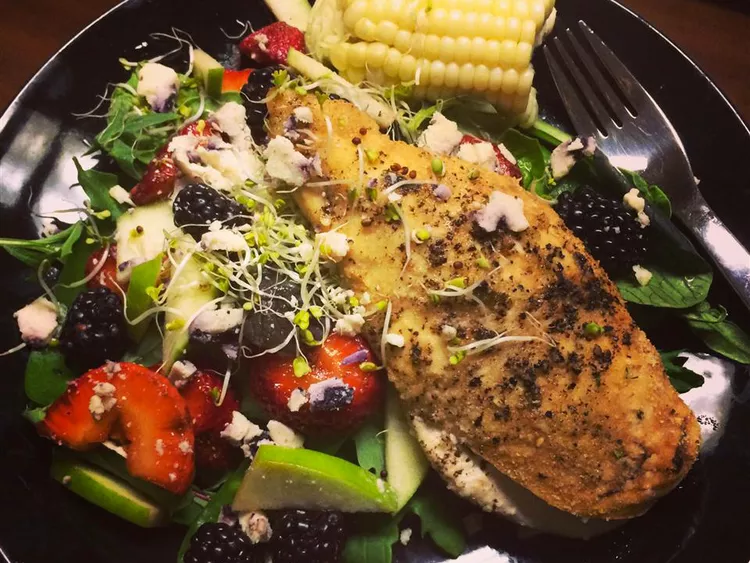
The Ultimate Balsamic Goat Cheese Stuffed Chicken Breasts
Elevate your weeknight dinner rotation with this sophisticated yet accessible recipe for Balsamic Goat Cheese Stuffed Chicken Breasts. Balancing the tangy creaminess of chèvre with the deep, syrupy complexity of a balsamic reduction, this dish offers a restaurant-quality experience from the comfort of your home kitchen.
Whether you are hosting an intimate dinner party or looking to break the monotony of standard poultry preparations, this recipe delivers on every front: texture, visual appeal, and a profound depth of flavor.
Why This Stuffed Chicken Recipe Works
The primary challenge with chicken breast—the leanest cut of the bird—is its tendency to dry out at high temperatures. This recipe solves that problem through a dual-layered approach. First, the creamy goat cheese filling acts as an internal moisture reservoir, basting the meat from the inside out. Second, the balsamic glaze creates a caramelized exterior crust that locks in juices while providing a sharp acidic counterpoint to the rich cheese.
By incorporating fresh spinach and sun-dried tomatoes into the stuffing, we introduce earthy notes and umami, ensuring every bite is a balanced micro-meal.
Ingredients
This recipe yields 4 servings. Please ensure your chicken breasts are of similar size to guarantee even cooking.
For the Chicken and Stuffing
-
4 (8-ounce) Boneless, Skinless Chicken Breasts: Look for thick, “plump” breasts which are easier to butterfly.
-
4 ounces Plain Goat Cheese (Chèvre): Softened at room temperature for easy mixing.
-
1 cup Fresh Baby Spinach: Finely chopped.
-
1/4 cup Sun-Dried Tomatoes: Packed in oil, drained and minced.
-
2 cloves Garlic: Minced into a fine paste.
-
1 tablespoon Fresh Basil: Chiffonade (thinly sliced).
-
1/2 teaspoon Red Pepper Flakes: Optional, for a subtle heat.
-
Kosher Salt and Freshly Cracked Black Pepper: To taste.
-
2 tablespoons Extra-Virgin Olive Oil: For searing.
For the Balsamic Reduction
-
1/2 cup Balsamic Vinegar: Use a mid-tier Aceto Balsamico for best results.
-
1 tablespoon Honey or Brown Sugar: To balance the acidity.
-
1 sprig Fresh Rosemary: To infuse the glaze with woody aromatics.
Step-by-Step Instructions
1. Prepare the Balsamic Glaze
In a small saucepan over medium-low heat, combine the balsamic vinegar, honey, and the rosemary sprig. Bring to a gentle simmer. Reduce the heat to low and let it cook for 8–12 minutes, or until the liquid has reduced by half and coats the back of a spoon. Remove from heat, discard the rosemary, and set aside. It will continue to thicken as it cools.
2. Create the Filling
In a medium mixing bowl, combine the softened goat cheese, chopped spinach, minced sun-dried tomatoes, garlic, basil, and red pepper flakes. Use a fork to mash the ingredients together until a uniform, creamy paste forms. Season with a pinch of salt and pepper, bearing in mind that goat cheese is naturally salty.
3. Butterfly and Stuff the Chicken
Place a chicken breast flat on a cutting board. Use a sharp chef’s knife or utility knife to slice horizontally into the thickest part of the breast, stopping about half an inch from the opposite side so it opens like a book.
Evenly distribute the goat cheese mixture among the four breasts, tucking about 2 tablespoons of filling into each pocket. To prevent the filling from escaping during cooking, secure the edges with 2–3 toothpicks inserted diagonally. Season the exterior of the chicken generously with salt and pepper.
4. Sear for Texture
Preheat your oven to 375°F (190°C). Heat the olive oil in a large, oven-safe stainless steel or cast-iron skillet over medium-high heat. Once the oil is shimmering (but not smoking), add the chicken breasts. Sear for 3–4 minutes per side until a golden-brown crust develops.
5. Roast and Glaze
Once seared, brush a generous layer of the balsamic reduction over the top of each breast. Transfer the entire skillet to the preheated oven. Roast for 12–15 minutes, or until the internal temperature reaches 165°F (74°C) when measured with an instant-read thermometer.
6. Rest and Serve
Remove the skillet from the oven. Transfer the chicken to a warm plate and let it rest for 5 minutes. This allows the juices to redistribute and the cheese to set slightly. Remove the toothpicks before serving. Drizzle with any remaining balsamic glaze.
Expert Tips for Culinary Success
-
Avoid Overstuffing: It is tempting to use all the cheese, but overfilling will cause the pocket to burst during the searing process. If you have leftover filling, it makes an excellent spread for toasted baguette.
-
Room Temperature Meat: Take the chicken out of the refrigerator 15–20 minutes before cooking. This ensures the meat cooks evenly and the center isn’t cold while the outside is overdone.
-
The Sizzle Factor: Do not move the chicken once it hits the pan. Let the Maillard reaction work its magic for at least 3 minutes to achieve that professional, caramelized crust.
-
Instant-Read Thermometer: This is the only way to guarantee the chicken is safe to eat without being rubbery. Pull the chicken at 162°F; carry-over cooking will bring it to the target 165°F while resting.
Variations and Substitutions
Ingredient Substitution Table
| Original Ingredient | Recommended Substitute | Flavor Profile Change |
| Goat Cheese | Cream Cheese or Boursin | Milder, less tangy, creamier texture. |
| Sun-Dried Tomatoes | Roasted Red Peppers | Sweeter, less “chewy” than tomatoes. |
| Fresh Spinach | Finely chopped Kale | More robust, slightly bitter edge. |
| Honey | Maple Syrup | Earthier, autumnal sweetness. |
| Basil | Fresh Oregano or Thyme | More savory and herbal. |
Dietary Adjustments
-
Lighter Option: Replace the goat cheese with a mixture of low-fat ricotta and lemon zest.
-
Keto-Friendly: Ensure your balsamic reduction does not use honey; use a sugar-free balsamic glaze or simply deglaze the pan with balsamic vinegar and butter.
-
Gluten-Free: This recipe is naturally gluten-free. Ensure your sun-dried tomatoes and balsamic vinegar are certified if you have high sensitivity.
Serving Suggestions
This dish is visually striking and pairs beautifully with sides that can soak up the extra balsamic glaze.
-
The Classic Pairing: Serve atop a bed of lemon-garlic orzo or a creamy parmesan risotto.
-
The Low-Carb Pairing: Accompany with roasted asparagus or cauliflower mash to keep the meal light and vibrant.
-
Texture Contrast: A simple arugula salad tossed in lemon juice and olive oil provides a peppery crunch that cuts through the richness of the goat cheese.
Storage & Make-Ahead Notes
Refrigeration
Store leftover chicken in an airtight container for up to 3 days. Because of the cheese filling, the texture is best when eaten within 48 hours.
Freezing
While you can freeze cooked chicken, the texture of the goat cheese may become slightly grainy upon thawing. If you must freeze, wrap tightly in plastic wrap and foil for up to 2 months. Thaw overnight in the refrigerator before reheating.
Reheating
To prevent the chicken from drying out, reheat in the oven at 325°F with a splash of chicken broth or water in the dish, covered with foil, until warmed through (about 10–15 minutes). Avoid the microwave if possible, as it can make the chicken rubbery and cause the cheese to separate.
Nutrition Information
Per Serving (1 stuffed breast)
-
Calories: 385 kcal
-
Protein: 48g
-
Fat: 16g
-
Saturated Fat: 7g
-
Carbohydrates: 12g
-
Fiber: 1g
-
Sugar: 9g
-
Sodium: 420mg
Preparation Timeline
| Task | Duration |
| Prep & Stuffing | 15 Minutes |
| Balsamic Reduction | 10 Minutes (Simultaneous) |
| Searing | 8 Minutes |
| Oven Roasting | 15 Minutes |
| Resting | 5 Minutes |
| Total Time | Approx. 45–50 Minutes |
Final Thoughts
The Balsamic Goat Cheese Stuffed Chicken Breast is a masterclass in flavor contrast. The sharp, creamy, and sweet elements work in harmony to transform the humble chicken breast into a centerpiece. By following the searing and roasting techniques outlined above, you ensure a moist, flavorful result every time.