


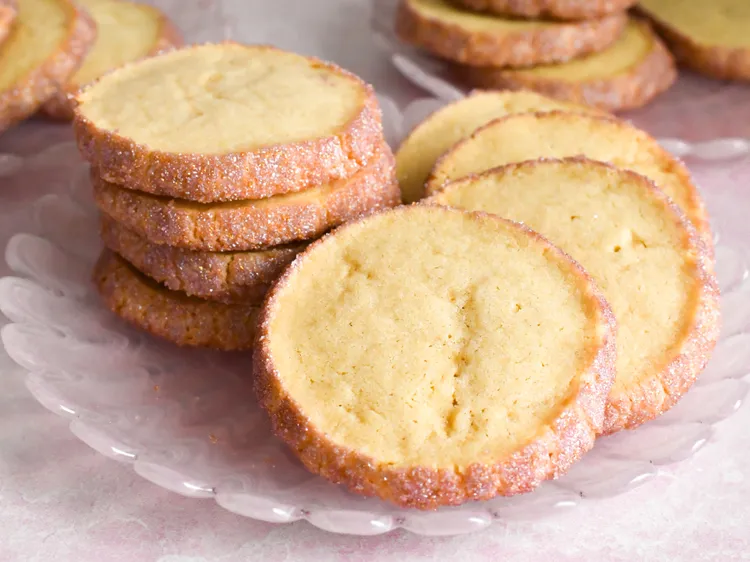
Sparkling Shortbread Cookies: The Ultimate Buttery Holiday Treat
There are few pleasures in the culinary world as simple and profound as a perfectly executed shortbread cookie. When done right, it is a masterclass in texture: a firm snap that instantly gives way to a tender, sandy crumb, melting away in a wash of rich butter and vanilla. These Sparkling Shortbread Cookies take that classic foundation and elevate it with a festive, diamond-like crust of coarse sugar, making them as visually stunning as they are delicious.
Whether you are building a holiday cookie box, looking for a sophisticated accompaniment to an afternoon espresso, or simply craving a comfort bake, this recipe delivers. It relies on the traditional “3-2-1” ratio logic—sugar, butter, flour—but tweaks it slightly to ensure the dough is workable and the finish is impeccable. The “sparkle” comes from rolling the dough logs in coarse sanding sugar or turbinado sugar before slicing, creating a crystalline rim that catches the light and adds a delightful textural crunch.
This guide will walk you through the science of shortbread, the importance of ingredient temperature, and how to achieve that signature “sandy” texture (known in French baking as sablé) without the cookie becoming dry.
Why This Recipe Works
Shortbread is deceptively simple. With no eggs to bind it and no baking powder to lift it, the cookie relies entirely on the aeration of butter and the structure of flour. This recipe succeeds because of three specific factors:
-
Salted Butter: While many baking recipes strictly call for unsalted butter, shortbread benefits immensely from the flavor profile of high-quality salted butter (like Kerrygold or Plugrá). The salt cuts through the richness and balances the sugar coat. Note: If you only have unsalted, we have adjusted the salt addition in the recipe below.
-
The Chill Time: By rolling the dough into logs and chilling it thoroughly, the gluten relaxes, preventing a tough cookie. This also ensures the butter solidifies, so the cookies hold their perfect round shape in the oven rather than spreading into puddles.
-
Coarse Sugar Rim: The “sparkling” element isn’t just aesthetic. The coarse sugar creates a barrier that caramelizes slightly, adding a sophisticated crunch that contrasts with the soft interior.
Ingredients
The beauty of shortbread lies in its pantry-staple simplicity. However, because there are so few ingredients, the quality of each one matters significantly.
The Shortbread Dough
-
1 cup (2 sticks / 8 oz) Salted Butter, softened: Ideally European-style with a higher fat content (82% or higher). It should be cool-room temperature—pliable but not greasy.
-
½ cup (3.5 oz) Granulated Sugar: Standard white sugar provides the crispest texture.
-
1 teaspoon Pure Vanilla Extract: Use real vanilla, not imitation, as the flavor will be prominent.
-
2 ¼ cups (11.25 oz) All-Purpose Flour: Spooned and leveled to avoid packing too much flour, which leads to dry cookies.
-
¼ teaspoon Fine Sea Salt: (Only if using unsalted butter).
The “Sparkle” Finish
-
1 Egg White: Whisked until frothy (used as an adhesive).
-
½ cup Coarse Sanding Sugar or Turbinado Sugar: White sanding sugar looks like diamonds; Turbinado (raw sugar) looks like gold dust. Both work beautifully.
Step-by-Step Instructions
Phase 1: Creating the Dough
-
Cream the Butter and Sugar:
In the bowl of a stand mixer fitted with the paddle attachment (or a large bowl with a hand mixer), beat the softened butter and granulated sugar on medium-high speed. You are looking for a pale, fluffy consistency, which usually takes about 3 to 4 minutes. This step aerates the butter, which is crucial since there are no chemical leaveners. Scrape down the sides of the bowl halfway through.
-
Add Flavor:
Turn the mixer to low and add the vanilla extract. Mix just until combined.
-
Incorporate the Flour:
Add the flour in two batches. With the mixer on the lowest speed (or mixing by hand with a spatula), mix until the dough just comes together. It will look crumbly at first (like wet sand), but keep mixing slowly until it clumps together. Stop immediately once the flour disappears. Overmixing at this stage develops gluten, which creates a tough, chewy cookie rather than a tender, short one.
Phase 2: Shaping and Chilling
-
Form the Logs:
Turn the dough out onto a clean surface. Divide it in half. Gently roll each half into a log, approximately 1.5 to 2 inches in diameter. Try to keep the cylinder smooth and even to ensure uniform round cookies.
-
First Chill:
Wrap the logs tightly in plastic wrap or parchment paper. Twist the ends like a candy wrapper to secure. Refrigerate for at least 2 hours, or up to 3 days. The dough must be very firm before slicing.
Phase 3: The Sparkling Technique
-
Prep the Station:
Preheat your oven to 350°F (175°C). Line two large baking sheets with parchment paper or silicone baking mats.
-
Apply the Sparkle:
Remove the dough logs from the fridge and unwrap them. Brush the outside of each log lightly with the whisked egg white. Pour the coarse sugar onto a rimmed baking sheet or a flat plate. Roll the logs in the sugar, pressing firmly so the sugar adheres to the entire surface.
-
Slice:
Using a sharp chef’s knife, slice the logs into rounds that are roughly ⅓-inch thick. Rotate the log slightly after every few cuts to prevent one side from flattening out.
Phase 4: Baking
-
Bake:
Arrange the cookies on the prepared baking sheets, spacing them about 1 inch apart (they will not spread much). Bake for 12 to 14 minutes.
-
The Visual Cue:
The cookies are done when the edges are just barely beginning to turn golden, but the tops remain pale. Do not let them brown significantly.
-
Cool:
Let the cookies cool on the baking sheet for 5 minutes to set. They will be fragile while hot. Transfer them to a wire rack to cool completely.
Expert Tips for Perfection
Achieving bakery-quality shortbread requires attention to subtle details. Here is how to troubleshoot common issues and ensure consistency.
-
The Temperature of Butter: If your butter is too warm (oily or melting), the air bubbles created during creaming will collapse, resulting in a dense, greasy cookie. If it’s too cold, it won’t mix with the sugar properly. You should be able to press a finger into the butter and leave an indent without it sliding through.
-
The “Clean Cut” Trick: If your dough crumbles when you slice it, it might be too cold. Let the log sit on the counter for 5 minutes. If the log flattens when you slice, it is too warm—pop it back in the freezer for 10 minutes.
-
Keeping them Round: To prevent the bottom of the log from flattening in the fridge, you can slit an empty paper towel roll lengthwise and rest the wrapped dough log inside the cardboard cylinder.
-
Sanding Sugar vs. Granulated: Do not substitute regular granulated sugar for the exterior coating. The crystals are too small and will dissolve or burn rather than sparkle. Look for “sparkling sugar,” “sanding sugar,” or “demerara sugar.”
Flavor Variations
While vanilla is the classic choice, this dough is a robust canvas for other flavors.
1. Lemon & Thyme Shortbread
Add 1 tablespoon of fresh lemon zest and 1 teaspoon of chopped fresh thyme to the butter and sugar during the creaming step. Roll the logs in yellow sanding sugar for a bright, sunny finish.
2. Espresso Cacao
Substitute ¼ cup of the flour with unsweetened Dutch-process cocoa powder. Add 1 teaspoon of instant espresso powder to the vanilla extract. Roll in Turbinado sugar for a dark, sophisticated look.
3. Earl Grey Infusion
Take 2 bags of Earl Grey tea, cut them open, and grind the leaves into a fine powder. Add this to the flour mixture. The bergamot oil in the tea pairs beautifully with the buttery dough.
4. Spiced Holiday Blend
Add ½ teaspoon of cinnamon and ¼ teaspoon of cardamom to the flour. This version warms up the flavor profile, making it perfect for winter holidays.
Serving Suggestions
Sparkling Shortbread Cookies are versatile, bridging the gap between casual snacking and elegant entertaining.
-
The Afternoon Pause: These are the quintessential “tea time” cookie. The butter fat coats the palate, making them an excellent counterpoint to astringent beverages like black tea or a dry sparkling wine (Prosecco or Champagne).
-
Dessert Platter: Serve alongside a bowl of lemon curd or chocolate ganache for dipping.
-
Texture Pairing: Because these cookies are crisp and sandy, they pair exceptionally well with creamy desserts. Serve a single cookie alongside a dish of panna cotta or vanilla bean mousse to add a necessary crunch.
Storage & Make-Ahead Notes
Shortbread is one of the best cookies for making ahead of time, as the flavors often improve after resting for 24 hours.
-
Room Temperature: Baked cookies can be stored in an airtight container at room temperature for up to 1 week. Ensure they are completely cool before storing to prevent them from softening.
-
Freezing the Dough (Recommended): You can freeze the unbaked logs (wrapped in plastic and then foil) for up to 3 months. Thaw in the refrigerator overnight before slicing and baking. This is excellent for emergency entertaining.
-
Freezing Baked Cookies: Baked cookies can be frozen for up to 1 month. Layer them between sheets of parchment paper in a freezer-safe container. Thaw at room temperature for 30 minutes before serving.
Nutrition Information
Values are estimates based on one cookie, assuming a yield of 24 cookies.
| Nutrient | Amount per Serving |
| Calories | 105 kcal |
| Total Fat | 7g |
| Saturated Fat | 4.5g |
| Cholesterol | 18mg |
| Sodium | 65mg |
| Carbohydrates | 10g |
| Dietary Fiber | 0g |
| Sugars | 4g |
| Protein | 1g |
Frequently Asked Questions
Why did my shortbread spread too much?
Spreading is usually caused by two things: the butter was too warm when the dough went into the oven, or there was too little flour. Ensure your oven is fully preheated and that you chilled the dough thoroughly.
Can I use gluten-free flour?
Yes. Because shortbread does not rely heavily on gluten for structure, it converts well to gluten-free baking. Use a high-quality “Cup-for-Cup” gluten-free flour blend that contains xanthan gum for the best results.
Can I make these without a mixer?
Absolutely. You can use a wooden spoon and strong arm power to cream the butter and sugar. Alternatively, you can use a pastry cutter to cut the butter into the flour (similar to pie crust) and then knead in the sugar, though the texture will be slightly flakier and less “sandy” than the creaming method.
This Sparkling Shortbread recipe is a timeless addition to any baker’s repertoire. With minimal ingredients and maximum flavor payoff, it brings a touch of elegance to the kitchen with every buttery, crystalline bite.