


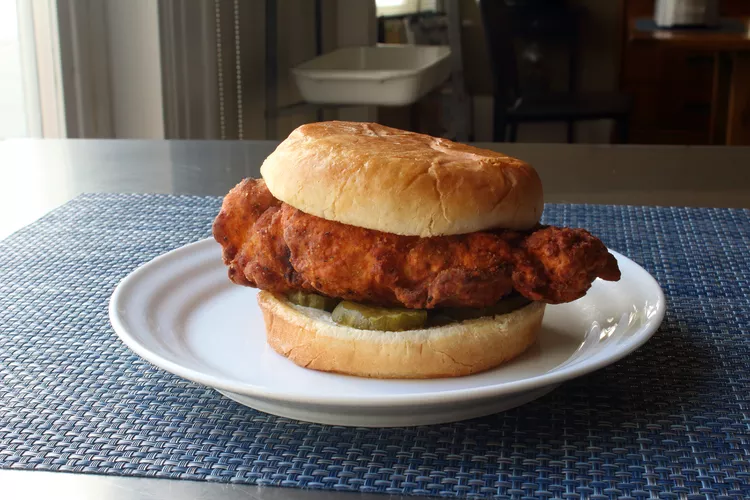
Crispy Fried Chicken Sandwich Recipe: Juicy, Crunchy, and Better Than Takeout
A great fried chicken sandwich is all about contrast: shatteringly crisp breading around juicy, well-seasoned chicken, paired with a soft toasted bun, tangy pickles, and a creamy sauce. When each component is prepared with care, this restaurant favorite becomes surprisingly achievable at home.
This crispy fried chicken sandwich recipe uses boneless chicken thighs marinated in seasoned buttermilk, then dredged in a boldly flavored flour mixture and fried until deeply golden. A few spoonfuls of the buttermilk marinade are worked into the flour to create small craggy pieces of coating, producing the irregular, extra-crunchy crust that makes fried chicken so satisfying.
Finished with a simple spicy mayonnaise, dill pickles, and buttery brioche buns, these sandwiches deliver savory, tangy, creamy, and gently spicy flavors in every bite.
Prep time: 25 minutes, plus 2 hours marinating
Cook time: 20 minutes
Total time: About 2 hours 45 minutes
Servings: 4 sandwiches
Cooking method: Deep-frying
Ingredients
For the Chicken and Marinade
- 4 boneless, skinless chicken thighs, about 5 to 6 ounces each
- 1 cup buttermilk
- 1 tablespoon hot sauce
- 1 teaspoon kosher salt
- 1 teaspoon garlic powder
- 1/2 teaspoon smoked paprika
- 1/2 teaspoon freshly ground black pepper
For the Crispy Coating
- 1 1/2 cups all-purpose flour
- 1/4 cup cornstarch
- 1 1/2 teaspoons kosher salt
- 1 teaspoon paprika
- 1 teaspoon garlic powder
- 1 teaspoon onion powder
- 1/2 teaspoon freshly ground black pepper
- 1/2 teaspoon cayenne pepper, optional
- 2 to 3 tablespoons reserved buttermilk marinade
For Frying
- 4 to 6 cups neutral frying oil, such as vegetable, canola, or peanut oil
For the Spicy Sandwich Sauce
- 1/2 cup mayonnaise
- 1 tablespoon hot sauce
- 1 teaspoon Dijon mustard
- 1 teaspoon pickle brine
- 1/4 teaspoon garlic powder
For Assembly
- 4 brioche or potato buns
- 1 tablespoon unsalted butter, softened
- 16 to 20 dill pickle slices
- Shredded iceberg lettuce, optional
How to Make the Best Fried Chicken Sandwich
1. Prepare the Chicken
Place each chicken thigh between two pieces of parchment paper or plastic wrap. Using a meat mallet or rolling pin, gently pound the thicker sections until the chicken is approximately 1/2 inch thick and relatively even.
Uniform thickness is important because it allows the chicken to cook evenly without leaving thick sections underdone while thinner areas become dry.
If necessary, trim particularly large thighs so they fit comfortably on the buns.
2. Make the Buttermilk Marinade
In a medium bowl, combine the buttermilk, hot sauce, salt, garlic powder, smoked paprika, and black pepper.
Add the chicken thighs and turn until thoroughly coated.
Cover and refrigerate for at least 2 hours. For deeper seasoning, the chicken can marinate for up to 12 hours.
Buttermilk contributes more than flavor. Its gentle acidity helps tenderize the meat while its thick consistency gives the dry coating something to cling to.
3. Prepare the Spicy Mayo
While the chicken marinates, stir together the mayonnaise, hot sauce, Dijon mustard, pickle brine, and garlic powder.
Taste and adjust the amount of hot sauce according to your preferred heat level.
Cover and refrigerate until needed. Preparing the sauce ahead also gives the flavors time to blend.
4. Make the Seasoned Flour
In a wide, shallow bowl, whisk together the flour, cornstarch, salt, paprika, garlic powder, onion powder, black pepper, and cayenne.
Cornstarch is especially useful here because it reduces some of the gluten development associated with flour, helping create a lighter and crisper fried coating.
Drizzle 2 to 3 tablespoons of the buttermilk marinade into the flour mixture. Rub the liquid into the flour with your fingertips until small, irregular clumps form.
Those clumps become extra-crispy ridges once they hit the hot oil.
5. Bread the Chicken
Remove one piece of chicken from the marinade and allow excess liquid to drip away for a few seconds.
Transfer it directly to the seasoned flour.
Press the flour mixture firmly onto both sides of the chicken, making sure the entire surface is coated. Flip several times and press some of the flour clumps onto the meat.
Shake away only the very loose excess.
Repeat with the remaining chicken.
Let the coated chicken rest on a wire rack or baking sheet for about 10 minutes before frying. This brief resting period helps hydrate the coating and reduces the chance of the crust separating from the chicken.
6. Heat the Frying Oil
Pour about 1 1/2 to 2 inches of oil into a heavy Dutch oven or deep skillet. Do not fill the pot more than halfway.
Heat the oil over medium to medium-high heat until it reaches 350°F.
A thermometer is strongly recommended. If the oil is too cool, the breading absorbs excess fat and becomes heavy. If it is too hot, the crust can burn before the chicken cooks through.
7. Fry Until Golden and Crisp
Carefully lower one or two pieces of chicken into the hot oil, depending on the size of your pan.
Avoid overcrowding.
Fry for approximately 3 to 5 minutes per side, adjusting the heat as necessary to keep the oil around 325°F to 350°F.
The exact cooking time depends on the thickness of the chicken.
The crust should be deeply golden and crisp, and the thickest part of the chicken should reach an internal temperature of 165°F.
Transfer the fried chicken to a wire rack set over a baking sheet. A wire rack is preferable to paper towels because air can circulate beneath the crust, helping it stay crisp.
Allow the oil to return to 350°F before frying the next batch.
8. Toast the Buns
Spread the cut sides of the buns lightly with softened butter.
Place them cut-side down in a skillet over medium heat for 1 to 2 minutes, or until golden around the edges.
Toasting creates flavor while also forming a slight barrier that helps prevent the sauce from making the buns soggy.
9. Assemble the Fried Chicken Sandwiches
Spread spicy mayonnaise over both halves of each toasted bun.
Place several dill pickle slices over the bottom bun, followed by a piece of crispy fried chicken. Add shredded iceberg lettuce if desired.
Cover with the top bun and serve immediately while the chicken is still hot and crunchy.
Expert Tips for Extra-Crispy Fried Chicken
Keep the Oil Temperature Consistent
Temperature control is one of the biggest differences between crisp fried chicken and greasy fried chicken. Adding cold chicken naturally lowers the oil temperature, so adjust the burner as needed.
Aim to keep the frying temperature between 325°F and 350°F after the chicken enters the oil.
Do Not Skip the Cornstarch
Combining flour and cornstarch produces a noticeably crispier crust than flour alone. The coating becomes lighter, more brittle, and less likely to turn soft immediately after frying.
Create a Craggy Coating
Adding a small quantity of buttermilk marinade to the seasoned flour creates tiny moist flour clusters. Press these clusters onto the chicken during breading.
Once fried, they become the crunchy ridges associated with an excellent restaurant-style chicken sandwich.
Season Every Layer
Flavor should not depend entirely on the breading. Seasoning the marinade, flour mixture, sauce, and toppings creates a more balanced sandwich.
Fry in Small Batches
Crowding the pan can rapidly lower the oil temperature. It also restricts circulation around the chicken, potentially producing uneven browning.
Fry one or two pieces at a time for the best results.
Fried Chicken Sandwich Variations
Spicy Fried Chicken Sandwich
Increase the cayenne pepper in the flour mixture to 1 teaspoon and add extra hot sauce to the mayonnaise.
For considerably more heat, brush the freshly fried chicken lightly with a mixture of hot frying oil, cayenne, paprika, and a small amount of brown sugar.
Honey Fried Chicken Sandwich
Drizzle the finished chicken with 1 to 2 teaspoons of warm honey before assembling the sandwich. The sweetness works particularly well with spicy mayonnaise and acidic pickles.
Coleslaw Chicken Sandwich
Replace the lettuce with creamy or vinegar-based coleslaw. The cool, crunchy cabbage gives the sandwich additional texture and acidity.
Gluten-Free Fried Chicken Sandwich
Replace the all-purpose flour with a reliable 1-to-1 gluten-free flour blend and make sure the cornstarch and remaining packaged ingredients are certified gluten-free if necessary.
Serve on gluten-free buns.
Lighter Variation
For a lighter alternative, the breaded chicken can be cooked in an air fryer, although it will not have exactly the same crust as deep-fried chicken.
Lightly spray the breaded chicken with cooking oil and air-fry at 375°F for approximately 14 to 18 minutes, flipping halfway through. Cook until browned and the center reaches 165°F.
What to Serve With a Fried Chicken Sandwich
A crispy chicken sandwich works best with sides that provide acidity, freshness, or contrasting texture.
Classic French fries or seasoned potato wedges make the sandwich feel like a complete restaurant-style meal. For something cooler, serve it alongside creamy coleslaw, cucumber salad, potato salad, or a simple green salad with a sharp vinaigrette.
Pickles are especially valuable because their acidity cuts through the richness of the fried coating and mayonnaise.
For summer meals and casual gatherings, corn on the cob, watermelon salad, or a crisp cabbage slaw can keep the plate feeling balanced.
Storage and Make-Ahead Notes
Refrigerating
Fried chicken is at its best immediately after cooking, but leftovers can be refrigerated.
Allow the chicken to cool, then place it in an airtight container and refrigerate for up to 3 days.
Store the chicken, sauce, pickles, and buns separately. Fully assembled sandwiches become soggy during storage.
Reheating
For the crispiest results, place refrigerated fried chicken on a wire rack set over a baking sheet and heat in a 375°F oven for 10 to 15 minutes, or until hot throughout.
An air fryer also works particularly well. Reheat at 350°F for approximately 5 to 8 minutes.
Avoid microwaving when possible because it softens the breading.
Freezing
Cooked fried chicken can be frozen for up to 2 months.
Allow it to cool completely, freeze the pieces individually on a baking sheet, then transfer them to a freezer-safe container or bag.
Reheat from frozen in a 375°F oven until thoroughly hot and crisp, typically 20 to 25 minutes depending on thickness.
Make-Ahead Preparation
The chicken can be placed in the buttermilk marinade up to 12 hours before cooking.
The spicy mayonnaise can also be prepared up to 3 days ahead and refrigerated in a covered container.
For maximum crunch, wait to bread and fry the chicken until shortly before serving.
Nutrition Information
Estimated nutrition per serving, based on one sandwich:
| Nutrient | Approximate Amount |
|---|---|
| Calories | 760 kcal |
| Protein | 35 g |
| Fat | 45 g |
| Saturated Fat | 9 g |
| Carbohydrates | 55 g |
| Fiber | 2 g |
| Sugar | 8 g |
| Sodium | 1,480 mg |
Nutrition values are estimates and can vary depending on the size of the chicken thighs, buns, amount of sauce, and quantity of frying oil absorbed.
Why This Fried Chicken Sandwich Recipe Works
The best homemade fried chicken sandwich is not simply chicken coated in flour and dropped into hot oil. Each stage has a specific purpose.
Buttermilk tenderizes and seasons the meat. Cornstarch keeps the coating light and crisp. Small flour-and-buttermilk clusters create an irregular, crunchy crust. Careful frying-temperature control cooks the chicken without saturating the breading with oil.
Finally, toasted buns, sharp pickles, and creamy spicy sauce balance the richness of the chicken.
The result is a crispy fried chicken sandwich with a deeply golden exterior, tender and juicy center, tangy toppings, and enough heat to keep every bite interesting. Serve it immediately after frying, when the contrast between the hot crunchy chicken, cool sauce, sharp pickles, and soft toasted bun is at its best.