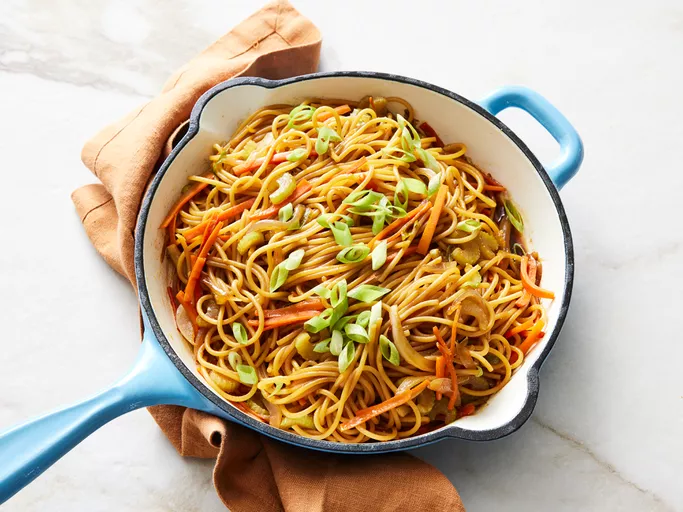
Easy Lo Mein Noodles Recipe: Better-Than-Takeout Chinese Noodles
Lo mein noodles are one of the most satisfying ways to turn a handful of everyday ingredients into a complete meal. Springy noodles, crisp-tender vegetables, and a glossy savory sauce come together in a hot wok or skillet in minutes, delivering the familiar combination of salty, slightly sweet, deeply umami flavors associated with Chinese takeout.
This easy Lo Mein Noodles recipe is designed for home kitchens. There is no complicated technique and no need for specialized equipment. The key is preparation: have the noodles cooked, vegetables sliced, and sauce mixed before the pan gets hot. Once cooking begins, everything moves quickly.
Unlike chow mein, which may emphasize fried or crisped noodles depending on the preparation, lo mein is primarily about tossing cooked noodles with sauce and other ingredients. That gives the finished dish its characteristic soft, chewy texture and glossy coating.
Ready in about 30 minutes, homemade lo mein works equally well as a quick weeknight dinner, a flexible meatless meal, or a base for chicken, shrimp, beef, tofu, and whatever vegetables need using up.
Why This Lo Mein Noodles Recipe Works
Great lo mein depends less on a long ingredient list than on getting the balance and cooking sequence right. The sauce needs enough soy sauce for savory depth, oyster sauce for body and umami, sesame oil for aroma, and a small amount of sweetness to round everything out.
Cooking the vegetables quickly over relatively high heat keeps them colorful and crisp rather than soft and watery. The cooked noodles go into the pan near the end, so they need only enough time to absorb the sauce and become thoroughly hot.
This method also makes the recipe exceptionally adaptable. Bell peppers, carrots, mushrooms, cabbage, and scallions provide a dependable vegetable combination, but broccoli, snow peas, bok choy, bean sprouts, and zucchini can all work.
Prep time: 15 minutes
Cook time: 15 minutes
Total time: 30 minutes
Servings: 4
Difficulty: Easy
Ingredients
For the Lo Mein
- 12 ounces fresh lo mein noodles or 10 ounces dried Chinese egg noodles
- 1 tablespoon neutral cooking oil, such as avocado, canola, or vegetable oil
- 2 teaspoons toasted sesame oil
- 3 garlic cloves, finely minced
- 1 teaspoon freshly grated ginger
- 1 medium carrot, cut into thin matchsticks
- 1 red bell pepper, thinly sliced
- 4 ounces shiitake or cremini mushrooms, thinly sliced
- 2 cups thinly sliced green cabbage
- 3 scallions, sliced, white and green parts separated
For the Lo Mein Sauce
- 3 tablespoons low-sodium soy sauce
- 2 tablespoons oyster sauce
- 1 tablespoon dark soy sauce
- 1 tablespoon water
- 2 teaspoons brown sugar
- 1 teaspoon toasted sesame oil
- 1 teaspoon rice vinegar
- 1/4 teaspoon ground white pepper or freshly ground black pepper
Optional Garnishes
- Thinly sliced scallion greens
- Toasted sesame seeds
- Chili crisp or chili oil, for serving
How to Make Lo Mein Noodles
1. Prepare the Lo Mein Sauce
In a small bowl, whisk together the low-sodium soy sauce, oyster sauce, dark soy sauce, water, brown sugar, sesame oil, rice vinegar, and pepper.
Continue whisking until the sugar is dissolved. Set the sauce aside.
Mixing the sauce before heating the skillet is important because the final stages of cooking happen quickly.
2. Cook the Noodles
Bring a large pot of water to a boil. Cook the noodles according to their package directions until just tender.
Fresh lo mein noodles may require only a few minutes, while dried egg noodles generally need longer. Avoid overcooking them because they will continue cooking briefly when tossed in the hot skillet.
Drain thoroughly. If the noodles are likely to sit for several minutes, toss them with a small amount of neutral oil to discourage sticking.
3. Heat the Wok or Skillet
Place a large wok or 12-inch skillet over medium-high to high heat. Allow it to become properly hot before adding 1 tablespoon neutral oil.
A wide cooking surface helps moisture evaporate rapidly, which allows the vegetables to sauté rather than steam.
4. Cook the Aromatics
Add the white parts of the scallions, garlic, and ginger. Stir-fry for about 20 to 30 seconds, just until fragrant.
Do not let the garlic become deeply browned. Burned garlic can make the entire sauce taste bitter.
5. Stir-Fry the Vegetables
Add the carrot and mushrooms. Stir-fry for about 2 minutes.
Add the bell pepper and cabbage and continue cooking for another 2 to 3 minutes.
The vegetables should soften slightly while retaining some crispness. Avoid cooking them until completely tender; their fresh texture provides an important contrast to the chewy noodles.
6. Add the Noodles
Add the drained noodles to the skillet.
Using tongs or two spatulas, gently lift and toss the noodles through the vegetables. If they have clumped together, loosen them carefully rather than aggressively stirring, which can cause the noodles to break.
7. Add the Sauce
Give the prepared sauce another quick stir and pour it evenly over the noodles.
Toss continuously for 1 to 2 minutes over medium-high heat. The sauce should coat the noodles evenly and become glossy as everything heats through.
If the mixture seems unusually dry, add 1 to 2 tablespoons water. Use only enough to loosen the noodles without making the sauce watery.
8. Finish and Serve
Remove the skillet from the heat. Add 2 teaspoons toasted sesame oil and the reserved scallion greens.
Toss once more, taste, and adjust the seasoning if necessary. Serve the homemade lo mein noodles immediately while they are hot and glossy.
Expert Tips for the Best Lo Mein Noodles
Do Not Overcook the Noodles
This is one of the most important details in any lo mein recipe. Cook the noodles only until tender because they spend additional time in the hot skillet.
Overcooked noodles can become soft, sticky, and prone to breaking.
Prepare Everything Before Cooking
Stir-frying happens rapidly. Once the pan is hot, there is little time to stop and chop vegetables or measure sauce.
Have every ingredient prepared and within reach before starting.
Use a Large, Hot Pan
A wok is excellent but not essential. A large skillet works well as long as it gives the vegetables and noodles sufficient room.
Overcrowding a small pan traps steam and can produce watery vegetables.
Drain the Noodles Thoroughly
Excess cooking water dilutes the lo mein sauce. Let the noodles drain well before transferring them to the skillet.
Toss Instead of Stirring Aggressively
Use tongs to lift the noodles from underneath and fold them through the vegetables and sauce. This distributes the ingredients while helping the noodles remain intact.
Lo Mein Variations
One of the best qualities of an easy lo mein recipe is its versatility.
Chicken Lo Mein
Thinly slice about 8 ounces boneless, skinless chicken breast or thighs. Stir-fry the chicken in a little oil until its thickest pieces reach 165°F, transfer it to a plate, and return it to the pan when adding the noodles.
Shrimp Lo Mein
Add 8 ounces peeled and deveined shrimp. Cook for roughly 1 to 2 minutes per side, depending on size, until opaque and just cooked through. Remove before cooking the vegetables and return with the noodles.
Beef Lo Mein
Use 8 ounces thinly sliced flank steak or sirloin. Slice across the grain for maximum tenderness and sear quickly in a very hot skillet.
Vegetarian Lo Mein
Replace the oyster sauce with a vegetarian mushroom-based stir-fry sauce. Add extra mushrooms, broccoli, edamame, or pan-seared tofu for a more substantial meal.
Spicy Lo Mein
Add chili crisp, chili oil, or a small amount of crushed red pepper to the sauce. Start conservatively and increase according to taste.
Gluten-Free Lo Mein
Traditional wheat-based lo mein noodles are not gluten-free. For an alternative, use suitable gluten-free noodles and replace regular soy sauce with certified gluten-free tamari. Check the labels of oyster or mushroom sauce as well.
Ingredient Substitutions
| Original Ingredient | Possible Substitute |
|---|---|
| Lo mein noodles | Chinese egg noodles, ramen-style wheat noodles |
| Oyster sauce | Vegetarian mushroom stir-fry sauce |
| Dark soy sauce | Additional regular soy sauce, though color will be lighter |
| Green cabbage | Napa cabbage or bok choy |
| Shiitake mushrooms | Cremini or button mushrooms |
| Rice vinegar | Mild unseasoned vinegar |
| Brown sugar | Honey or granulated sugar |
| Bell pepper | Snow peas, broccoli, or zucchini |
Substitutions can alter the final flavor slightly, but lo mein is forgiving enough to accommodate many pantry and refrigerator staples.
What to Serve With Lo Mein Noodles
Lo mein can easily stand on its own as a vegetable-forward main course, particularly when tofu, chicken, beef, or shrimp is added.
For a larger meal, pair it with steamed or stir-fried bok choy, Chinese broccoli, cucumber salad, dumplings, wontons, or a simple broth-based soup.
Because the noodles are savory and relatively rich, fresh or lightly seasoned side dishes provide the best contrast. Crisp cucumber, steamed greens, and quick-pickled vegetables can cut through the soy-and-sesame richness without competing with the main dish.
For serving, bring the lo mein directly from the skillet to the table. Its texture is at its best while freshly cooked, when the vegetables retain their bite and the sauce still has a glossy consistency.
Storage and Make-Ahead Notes
Refrigerating
Allow leftover lo mein noodles to cool before transferring them to an airtight container. Refrigerate promptly and use within 3 to 4 days.
For meal preparation, the vegetables can be sliced and the sauce mixed up to 2 days in advance. Store them separately in the refrigerator.
Reheating
Reheat lo mein in a skillet over medium heat with a small splash of water. Toss frequently until thoroughly hot.
The microwave also works. Cover the noodles loosely and heat in short intervals, stirring between each interval to promote even heating.
Freezing
Freezing is possible, but it is not the preferred storage method because cooked noodles and vegetables may lose some of their texture after thawing.
For the best results, make only as much lo mein as you expect to eat within several days.
Nutrition Information
Estimated nutrition per serving, based on 4 servings without optional meat or additional garnishes:
| Nutrient | Amount Per Serving |
|---|---|
| Calories | Approximately 440 kcal |
| Protein | 14 g |
| Fat | 12 g |
| Saturated Fat | 2 g |
| Carbohydrates | 69 g |
| Fiber | 6 g |
| Sugar | 9 g |
| Sodium | Approximately 1,180 mg |
Nutrition values are estimates and will vary depending on the noodles, sauces, vegetables, and brands used.
Frequently Asked Questions About Lo Mein Noodles
What are lo mein noodles?
Lo mein is a Chinese noodle dish featuring cooked wheat noodles tossed with vegetables, sauce, and often a protein. The noodles are typically soft and pleasantly chewy rather than intentionally fried until crisp.
What is the difference between lo mein and chow mein?
The distinction varies by region and restaurant style, but lo mein generally emphasizes boiled noodles that are tossed with sauce and other ingredients. Chow mein preparations more commonly involve a greater degree of frying or browning of the noodles.
Can I make lo mein without a wok?
Absolutely. A large, heavy skillet is an excellent alternative. The most important factors are using enough cooking surface and getting the pan properly hot.
Why are my lo mein noodles soggy?
Overcooking the noodles, insufficient draining, overcrowding the skillet, or using too much liquid can all create soggy lo mein. Cook the noodles just until tender and keep the final stir-fry brief.
Can I make lo mein ahead of time?
The components can be prepared ahead, but the finished dish is best cooked shortly before serving. Slice the vegetables and mix the sauce in advance, then cook and toss everything together when ready to eat.
Final Thoughts
A reliable Lo Mein Noodles recipe proves that a satisfying noodle dinner does not require a long cooking time or an extensive ingredient list. The combination of chewy noodles, colorful crisp-tender vegetables, aromatic garlic and ginger, and a balanced soy-based sauce delivers plenty of flavor in about 30 minutes.
The recipe is also easy to customize. Keep it vegetable-forward for a simple meatless dinner, add tofu for extra substance, or transform it into chicken, beef, or shrimp lo mein. Once the basic stir-frying technique and sauce balance are mastered, homemade lo mein becomes an exceptionally useful recipe for quick weeknight meals.
For the best texture, prepare all the ingredients before turning on the stove, keep the pan hot, and add the noodles and sauce only during the final minutes. The result is glossy, savory, better-than-takeout lo mein noodles that are easy enough to make whenever a noodle craving strikes.