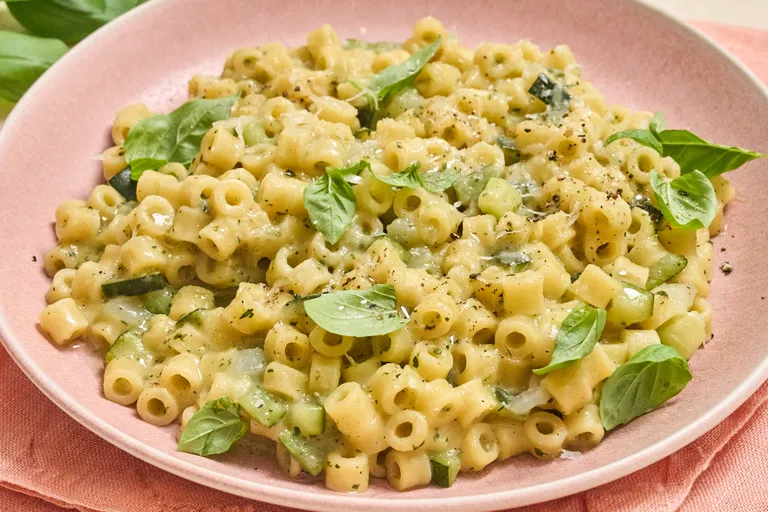
Creamy Melted Zucchini Pasta Recipe: An Easy, Silky Weeknight Dinner
Creamy Melted Zucchini Pasta is a simple yet deeply satisfying way to turn fresh zucchini into a luxurious pasta sauce. Instead of leaving the squash in firm slices or chunks, this recipe cooks it slowly with olive oil, garlic, and a little salt until it becomes exceptionally tender. Some of the zucchini nearly dissolves, creating a naturally creamy base that clings beautifully to the pasta.
Finished with Parmesan cheese, lemon, and reserved pasta water, the sauce becomes glossy and silky without relying on a large quantity of heavy cream. The result is a comforting creamy zucchini pasta recipe with a delicate sweetness, savory depth, and enough brightness to keep every forkful fresh.
It is particularly useful during zucchini season, when summer squash is abundant, but the ingredients are accessible enough to make this easy pasta throughout the year. From start to finish, dinner can be on the table in about 40 minutes.
Prep time: 10 minutes
Cook time: 30 minutes
Total time: 40 minutes
Servings: 4
Difficulty: Easy
Why This Creamy Melted Zucchini Pasta Works
The key to this recipe is giving the zucchini enough time to soften completely. Zucchini contains a considerable amount of water. When cooked gently, that moisture is gradually released while the vegetable’s flesh becomes tender enough to break down with a spoon.
This creates body before any cheese is added. Parmesan then provides richness and savory flavor, while starchy pasta water emulsifies with the olive oil and cheese to transform the zucchini into a smooth sauce.
A small amount of lemon juice and zest is important as well. Zucchini, pasta, and Parmesan are all relatively mellow ingredients, so citrus gives the finished dish definition without making it taste overtly lemony.
Ingredients
For the Pasta
- 12 ounces spaghetti, linguine, bucatini, or short pasta
- 2 tablespoons kosher salt, for the pasta water
- 2 tablespoons extra-virgin olive oil
- 1 tablespoon unsalted butter
- 1 1/2 pounds medium zucchini, trimmed and coarsely grated
- 4 garlic cloves, thinly sliced or finely minced
- 1/2 teaspoon kosher salt, plus more to taste
- 1/4 teaspoon freshly ground black pepper
- 1/4 teaspoon crushed red pepper flakes, optional
- 3/4 cup finely grated Parmesan cheese, plus more for serving
- 1 teaspoon finely grated lemon zest
- 1 tablespoon fresh lemon juice
- 1/2 to 1 cup reserved pasta cooking water
For Garnishing
- 1/4 cup fresh basil leaves, torn or thinly sliced
- Freshly ground black pepper
- Extra-virgin olive oil, optional
- Additional grated Parmesan
How to Make Creamy Melted Zucchini Pasta
1. Prepare the Zucchini
Trim the ends from the zucchini and grate it using the large holes of a box grater. There is no need to peel the zucchini or squeeze out its liquid.
Keeping that moisture is useful because it helps the squash cook down into the soft consistency needed for the sauce.
2. Start the Zucchini Sauce
Heat the olive oil and butter in a large, deep skillet over medium heat.
Add the garlic and cook for about 30 seconds, stirring frequently, just until fragrant. Do not allow it to brown.
Add the grated zucchini, 1/2 teaspoon salt, black pepper, and red pepper flakes, if using. Stir thoroughly so the zucchini is coated with the oil and butter.
3. Cook Until the Zucchini Melts
Reduce the heat to medium-low and cook the zucchini for 18 to 22 minutes, stirring occasionally.
At first, the zucchini will release plenty of moisture. As cooking continues, that liquid will evaporate and the squash will become increasingly tender.
Use the back of a wooden spoon to lightly mash the zucchini as it cooks. By the end, it should resemble a thick, soft vegetable purée rather than distinct grated strands.
If the pan begins to dry before the zucchini is completely tender, add 1 or 2 tablespoons of water.
4. Cook the Pasta
While the zucchini cooks, bring a large pot of water to a rolling boil. Season with the kosher salt.
Add the pasta and cook according to the package directions until 1 minute shy of al dente.
Before draining, reserve at least 1 cup of the starchy pasta cooking water. Drain the pasta, but do not rinse it.
5. Combine the Pasta and Zucchini
Transfer the drained pasta directly into the skillet with the melted zucchini.
Add about 1/2 cup of reserved pasta water and toss continuously over low heat for 1 to 2 minutes.
The starch from the pasta water will help loosen the zucchini and bind it to the noodles.
6. Add the Parmesan
Remove the skillet from direct heat and add the Parmesan gradually while tossing the pasta.
Adding the cheese away from strong heat reduces the risk of the Parmesan becoming grainy or clumping.
If the pasta appears too thick, add more reserved pasta water, 1 tablespoon at a time, until the sauce is creamy and glossy.
7. Finish With Lemon
Add the lemon zest and lemon juice. Toss again and taste.
Adjust with additional salt, black pepper, or lemon juice as necessary. The finished sauce should taste rich and savory but still fresh.
8. Garnish and Serve
Divide the creamy zucchini pasta among warm bowls. Finish with basil, freshly ground black pepper, additional Parmesan, and a small drizzle of good extra-virgin olive oil if desired.
Serve immediately while the sauce is at its silkiest.
Expert Tips for Perfect Melted Zucchini Pasta
Grate the Zucchini
Grating dramatically increases the zucchini’s surface area, helping it soften faster and more evenly than sliced zucchini. It is the easiest way to achieve the characteristic “melted” texture.
Do Not Rush the Cooking
The zucchini needs sufficient time over moderate heat. High heat can brown the vegetable before it becomes completely tender, producing a different flavor and texture.
Save More Pasta Water Than You Think You Need
Reserved cooking water is essential to the sauce. Its starch helps emulsify the zucchini, cheese, and fat while allowing you to adjust the consistency precisely.
The pasta will continue absorbing liquid after it leaves the heat, so a sauce that looks slightly loose in the skillet often reaches the ideal consistency by the time it is served.
Grate Parmesan Finely
Finely grated Parmesan incorporates more easily than coarse shreds. For the smoothest results, use freshly grated cheese rather than pre-shredded Parmesan.
Add Cheese Off the Heat
Parmesan can become stringy or grainy when exposed to excessive direct heat. Removing the pan from the burner before incorporating it encourages a smoother sauce.
Creamy Zucchini Pasta Variations
Add More Protein
For a heartier dinner, top the pasta with sliced grilled chicken, sautéed shrimp, or flaked salmon. Crispy pancetta can also provide a salty contrast to the sweet zucchini.
For a vegetarian protein option, add drained white beans or chickpeas.
Make It Extra Creamy
For a richer sauce, stir in 1/4 cup heavy cream after the zucchini has melted. Bring it just to a gentle simmer before adding the pasta.
Ricotta can also be folded through the finished pasta for a milder, slightly tangy creaminess.
Add Fresh Herbs
Basil is particularly good with zucchini, but parsley, mint, chives, or fresh thyme also work well. A basil-and-mint combination makes the pasta especially fresh for summer.
Make It Gluten-Free
Use a high-quality gluten-free pasta and cook it according to package instructions. Reserve its cooking water as you would with conventional pasta, since the starch remains useful for thickening the sauce.
Make It Lighter
Omit the butter and use an additional tablespoon of olive oil. You can also reduce the Parmesan to 1/2 cup while adding extra basil and lemon for flavor.
Add More Vegetables
Fresh corn, peas, baby spinach, or halved cherry tomatoes can complement the zucchini. Add spinach or peas near the end so they retain their color and freshness.
What to Serve With Creamy Zucchini Pasta
Because Creamy Melted Zucchini Pasta is rich without being excessively heavy, it pairs best with fresh, crisp, or lightly acidic accompaniments.
A simple arugula salad dressed with lemon juice and olive oil is an excellent choice. The peppery greens provide contrast to the mild zucchini sauce.
Roasted or grilled vegetables also work well, particularly asparagus, broccolini, bell peppers, or cherry tomatoes. For additional protein, serve the pasta alongside grilled chicken, roasted salmon, or garlic shrimp.
Garlic bread or warm crusty bread can turn the dish into a more substantial meal, although the pasta is satisfying enough to serve by itself.
For entertaining, finish each bowl with fresh basil, Parmesan, lemon zest, and freshly cracked pepper immediately before serving.
Storage and Make-Ahead Notes
Refrigerating
Transfer leftover zucchini pasta to an airtight container and refrigerate for up to 3 days.
The pasta will absorb some of its sauce during storage, so it will be noticeably thicker when cold.
Reheating
For the best texture, reheat leftovers gently in a skillet over medium-low heat.
Add 1 to 2 tablespoons of water per serving and toss frequently until the sauce loosens and the pasta is heated through. A small amount of additional Parmesan can be added just before serving.
A microwave can also be used. Cover loosely and heat in short intervals, stirring between each interval.
Freezing
Freezing the fully assembled pasta is not recommended. Cooked pasta can soften considerably after freezing and reheating, while Parmesan-based sauces may lose their smooth consistency.
The cooked zucchini base can be prepared separately and frozen for up to 2 months. Thaw it overnight in the refrigerator, reheat gently, and finish with freshly cooked pasta, Parmesan, lemon, and pasta water.
Make-Ahead Option
The zucchini can be cooked until completely soft up to 2 days ahead. Refrigerate it in an airtight container and gently reheat before proceeding with the pasta.
For the best texture, cook the pasta and incorporate the Parmesan immediately before serving.
Nutrition Information
Approximate nutrition per serving, based on four servings:
| Nutrient | Amount Per Serving |
|---|---|
| Calories | 520 kcal |
| Protein | 19 g |
| Fat | 20 g |
| Saturated Fat | 8 g |
| Carbohydrates | 67 g |
| Fiber | 5 g |
| Sugar | 7 g |
| Sodium | 610 mg |
Nutrition values are estimates and can vary depending on the pasta, Parmesan, salt, and other specific ingredients used.
Frequently Asked Questions
Why Is It Called Melted Zucchini Pasta?
“Melted” refers to the zucchini’s texture rather than literal melting. Grated zucchini is slowly cooked until its structure breaks down and it becomes exceptionally soft, creating the base of the pasta sauce.
Do I Need to Drain or Squeeze the Zucchini?
No. Unlike zucchini fritters or baked goods, the vegetable’s natural moisture is useful here. It helps the zucchini soften and prevents it from browning too quickly during the early stages of cooking.
Can I Use Yellow Summer Squash?
Yes. Yellow summer squash has a similar moisture content and texture and can replace some or all of the zucchini.
Why Did My Parmesan Clump?
The pan was probably too hot when the cheese was added. Remove the skillet from direct heat before adding finely grated Parmesan, then toss it with the pasta and warm pasta water.
What Pasta Shape Is Best?
Spaghetti, linguine, and bucatini are excellent because the creamy zucchini sauce coats long noodles well. Rigatoni, fusilli, casarecce, and penne are equally suitable if you prefer short pasta.
Final Thoughts
This Creamy Melted Zucchini Pasta recipe demonstrates how a modest vegetable can become the foundation of a genuinely luxurious pasta dinner. Slowly cooking grated zucchini concentrates its mild sweetness while transforming it into a soft, sauce-like consistency.
Parmesan and pasta water supply richness and body, while garlic, lemon, basil, and black pepper keep the dish aromatic and balanced. There is no complicated technique or lengthy ingredient list—just careful cooking and a few ingredients used effectively.
Whether you need a quick vegetarian weeknight meal, a new way to use summer zucchini, or a creamy pasta that does not depend on a heavy cream sauce, this melted zucchini pasta delivers a comforting combination of silky sauce, tender vegetables, Parmesan, and bright lemon in every serving.