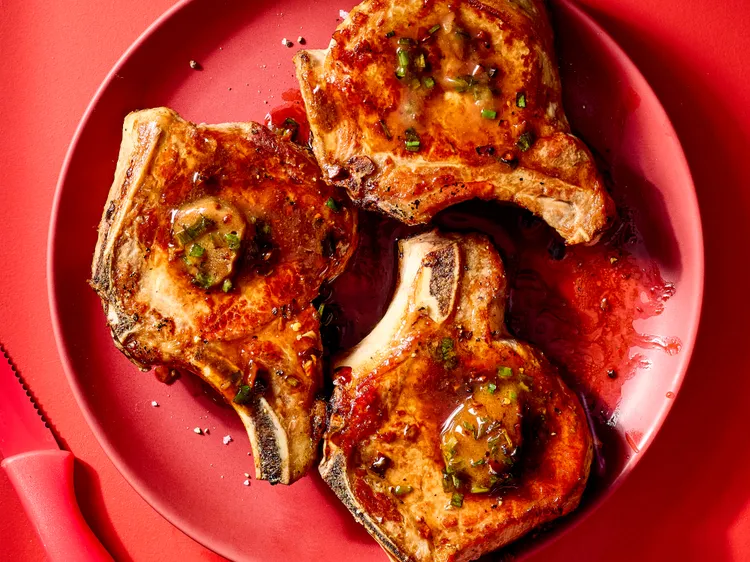
Soy Sauce Compound Butter Recipe: Rich, Savory Umami Butter for Steak, Vegetables, Rice, and More
Soy Sauce Compound Butter is a simple but remarkably flavorful condiment that combines creamy butter with the deep, salty-sweet umami of soy sauce. With only a handful of ingredients, ordinary softened butter becomes a versatile finishing ingredient that can transform steak, seafood, roasted vegetables, rice, noodles, and even warm bread.
The appeal of this soy sauce butter recipe is the balance. Butter provides richness and a smooth mouthfeel, while soy sauce cuts through that richness with saltiness and fermented complexity. Garlic adds aromatic depth, a small amount of honey or brown sugar rounds out the sharper edges, and fresh scallions bring a clean, oniony finish.
It takes about 10 minutes to prepare and can be refrigerated or frozen, making it particularly useful for cooks who want a flavorful finishing butter ready whenever dinner needs an extra layer of savory intensity.
Why You’ll Love This Soy Sauce Compound Butter
Traditional compound butter is simply softened butter blended with seasonings, herbs, spices, or other flavorful ingredients. This version uses soy sauce as its defining ingredient, producing an intensely savory butter without requiring a complicated sauce.
There are several reasons this recipe deserves a place in the refrigerator.
First, it is extremely versatile. A small slice can melt over a freshly grilled steak, steamed rice, roasted mushrooms, corn, baked potatoes, salmon, or noodles.
Second, the recipe is quick. There is no cooking required, and the butter can be mixed in minutes.
Finally, it stores exceptionally well. Shape it into a log and refrigerate it for everyday use, or freeze individual portions for longer storage.
Soy Sauce Compound Butter Ingredients
For the Compound Butter
- 1 cup (8 ounces) unsalted butter, softened to room temperature
- 2 tablespoons soy sauce
- 1 garlic clove, finely grated or minced
- 1 teaspoon honey or light brown sugar
- 1 teaspoon toasted sesame oil
- 2 tablespoons finely sliced scallions
- 1 teaspoon finely grated fresh ginger
- 1/4 teaspoon freshly ground black pepper
Optional Garnishes and Additions
- 1 teaspoon toasted sesame seeds
- 1/2 teaspoon red pepper flakes
- 1 teaspoon finely grated lime zest
- 1 teaspoon fresh lime juice
Unsalted butter is preferable because soy sauce already contains considerable sodium. Starting with unsalted butter gives you much better control over the final seasoning.
How to Make Soy Sauce Compound Butter
1. Soften the Butter
Place 1 cup of unsalted butter in a medium bowl and allow it to soften at room temperature.
The butter should be soft enough to stir easily but should not be melted or oily. Depending on the temperature of your kitchen, this generally takes 30 to 60 minutes.
Properly softened butter is important because it allows the liquid soy sauce and seasonings to disperse evenly.
2. Prepare the Aromatics
Finely grate or mince the garlic and ginger. Thinly slice the scallions.
Keeping these ingredients finely chopped helps them distribute evenly throughout the butter and prevents large pieces from dominating individual bites.
3. Combine the Flavorings
Add the soy sauce, garlic, honey, toasted sesame oil, ginger, scallions, and black pepper to the softened butter.
Using a sturdy spoon or flexible spatula, mash and fold everything together until the butter is evenly seasoned.
At first, the soy sauce may appear reluctant to blend into the fat. Continue stirring and folding until the mixture looks smooth and relatively uniform.
4. Taste and Adjust
Taste a very small amount.
If you prefer additional heat, mix in red pepper flakes. Lime zest can provide freshness, while toasted sesame seeds add subtle texture and nuttiness.
Avoid adding extra salt until you have tasted the finished mixture. Depending on the soy sauce used, additional salt will rarely be necessary.
5. Shape the Compound Butter
Lay a piece of parchment paper or plastic wrap on the counter.
Spoon the butter mixture onto the center and shape it roughly into a log. Roll the paper around the butter, then gently twist the ends to create a firm cylinder approximately 1 1/2 inches thick.
Alternatively, transfer the butter to a small airtight container if you plan to scoop rather than slice it.
6. Chill Until Firm
Refrigerate the soy sauce compound butter for at least 1 to 2 hours, or until completely firm.
Once chilled, slice it into rounds as needed.
For the most luxurious result, place a slice over hot food immediately before serving. The residual heat gradually melts the butter, creating an instant glossy sauce.
Expert Tips for the Best Soy Sauce Butter
Use Good-Quality Butter
Because butter makes up most of the recipe, its quality directly influences the final flavor. Choose fresh, good-quality unsalted butter with a clean, creamy taste.
European-style butter can also be used for an especially rich result.
Do Not Melt the Butter
Melted butter will not produce the same smooth compound-butter texture. You want butter that is pliable enough to mix while remaining solid.
If your butter becomes excessively soft during preparation, refrigerate it for 10 to 15 minutes before shaping.
Add Soy Sauce Gradually
Different soy sauces vary considerably in sodium and intensity. Two tablespoons provides pronounced flavor without overwhelming the butter, but you can begin with 1 1/2 tablespoons and adjust to taste.
Finely Grate the Garlic
A microplane-style grater is particularly useful for garlic and ginger because it creates a fine paste that blends seamlessly into softened butter.
Give It Time to Rest
Although you can use the compound butter immediately, chilling it allows the flavors of the garlic, ginger, scallion, and soy sauce to mingle.
Making it several hours before serving often produces an even more cohesive flavor.
Soy Sauce Compound Butter Variations
The basic recipe is flexible enough to adapt to different meals.
Spicy Soy Sauce Butter
Add 1 to 2 teaspoons of chili crisp or 1/2 teaspoon red pepper flakes. This variation is excellent over noodles, shrimp, corn, and grilled chicken.
If using chili crisp, reduce the sesame oil slightly so the finished butter does not become too loose.
Miso Soy Compound Butter
Mix in 1 tablespoon white miso and reduce the soy sauce to about 1 tablespoon.
Miso adds additional fermented depth and makes an especially good finishing butter for mushrooms, roasted squash, fish, and sweet potatoes.
Citrus Soy Butter
Add 1 teaspoon finely grated lime or lemon zest.
The citrus aroma balances the richness of the butter and works particularly well with seafood and grilled vegetables.
Herb Soy Butter
Mix in 1 to 2 tablespoons of finely chopped cilantro, chives, or parsley for a fresher finish.
Gluten-Free Soy Butter
Replace conventional soy sauce with certified gluten-free tamari. Check the labels of any additional condiments used in variations as well.
Dairy-Free Version
Use a firm plant-based butter designed for cooking in place of dairy butter. Because brands differ in water and salt content, adjust the soy sauce gradually.
Best Ways to Use Soy Sauce Compound Butter
One advantage of this recipe is how many dishes it complements.
Steak
Place a 1/2-inch slice of chilled soy sauce butter on a freshly cooked steak while the meat rests. The butter will soften into the surface, mixing with the steak juices to create an intensely savory finish.
Salmon and Other Fish
Add a thin slice to roasted, pan-seared, or grilled salmon just before serving. Ginger and soy sauce are particularly complementary to rich fish.
It also works with cod, halibut, shrimp, and scallops.
Rice
A spoonful stirred into freshly steamed white or brown rice creates an almost effortless savory side dish.
For a simple meal, top soy butter rice with a fried egg, sliced scallions, sesame seeds, and vegetables.
Noodles
Toss hot noodles with a small amount of soy sauce compound butter and enough noodle cooking water to loosen everything into a silky sauce.
Roasted Vegetables
Mushrooms, broccoli, cauliflower, carrots, asparagus, green beans, and cabbage all benefit from the savory richness of this butter.
Add it after roasting rather than before so the fresh aromatics remain noticeable.
Corn
Spread it over grilled or boiled corn while still hot. Chili flakes and lime zest are particularly good additions for this application.
Baked Potatoes
Use soy sauce butter instead of plain butter on baked or roasted potatoes. Add scallions and sesame seeds for additional flavor and texture.
Serving Suggestions
Soy Sauce Compound Butter is best treated as a finishing ingredient rather than a heavy sauce.
For grilled meats, use approximately 1 tablespoon per serving. The heat of steak, chicken, pork chops, or seafood will melt the butter and distribute the seasoning naturally.
For vegetables, start with a smaller quantity and toss while they are still hot.
When serving with rice or noodles, pair the butter with fresh ingredients such as scallions, cilantro, cucumber, steamed greens, or lime. Their brightness provides contrast to the concentrated richness and umami.
Storage and Make-Ahead Notes
Refrigerating
Wrap the butter log tightly in parchment paper or plastic wrap, then place it in an airtight container or resealable bag.
Refrigerate for up to 1 week for the best quality, particularly because the recipe contains fresh garlic, ginger, and scallions.
Keep the butter refrigerated whenever it is not being served.
Freezing
Soy sauce compound butter freezes very well.
Wrap the log securely, place it inside a freezer-safe container or bag, and freeze for up to 3 months.
You can also slice the chilled butter into individual portions before freezing. Separate the slices with small pieces of parchment so you can remove only what you need.
Thawing
Transfer frozen compound butter to the refrigerator and allow it to thaw gradually.
For hot dishes, small frozen slices can often be placed directly onto freshly cooked steak, vegetables, rice, or fish, where they will melt from the residual heat.
Nutrition Information
Estimated nutrition per serving, based on approximately 1 tablespoon and 16 servings:
| Nutrient | Amount |
|---|---|
| Calories | 105 |
| Protein | 0.3 g |
| Fat | 11.5 g |
| Saturated Fat | 7 g |
| Carbohydrates | 0.7 g |
| Fiber | 0.1 g |
| Sugar | 0.4 g |
| Sodium | 130 mg |
Nutrition values are estimates and will vary depending on the butter, soy sauce, and optional ingredients used.
Frequently Asked Questions
What is soy sauce compound butter?
Soy Sauce Compound Butter is softened butter mixed with soy sauce and complementary seasonings. Once combined and chilled, it can be sliced or spooned onto hot foods as a rich, savory finishing butter.
Can I use salted butter?
Yes, but unsalted butter is recommended. Soy sauce already provides substantial salt, so combining it with salted butter can make the finished recipe overly salty.
Can I use tamari instead of soy sauce?
Yes. Tamari produces a similarly savory result and can be a useful option when making gluten-free compound butter, provided the product is certified gluten-free.
Why won’t my soy sauce mix into the butter?
The most common reason is butter that is too cold. Allow the butter to soften until easily spreadable, then gradually fold in the soy sauce.
If necessary, add the soy sauce in two or three additions rather than pouring it in all at once.
Does soy sauce butter need to be refrigerated?
Yes. Keep the prepared compound butter refrigerated because it contains dairy and fresh aromatics. For longer storage, freeze it in tightly wrapped portions.
Final Thoughts
This Soy Sauce Compound Butter recipe demonstrates how a few well-chosen ingredients can create an exceptionally useful kitchen staple. Creamy butter carries the savory depth of soy sauce, while garlic, ginger, scallions, sesame oil, and a touch of sweetness build complexity without turning the mixture into an overly elaborate condiment.
Make a batch ahead of time, chill it into an easy-to-slice log, and you have an instant finishing sauce available for steak, salmon, chicken, roasted vegetables, noodles, potatoes, corn, and rice.
Its combination of richness, saltiness, aromatic warmth, and deep umami makes Soy Sauce Compound Butter particularly effective when a simple dish needs one final layer of flavor.